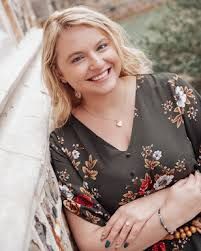
An Interview with Samantha Edmonds, Conducted by Jadyn Collins
J: What’s your writing process?
S: My writing process tends to be a little bit chaotic. I usually look for inspiration in like whatever I'm thinking about or like obsessing over. So this could be, you know, like it was out space for this book, obviously, but it could be anything. It could be like a movie or a TV show. you know, even just a song or a subject. And then I do some research about it a lot of times not very serious research. So sometimes I may read a book, but sometimes it's also just like Google and Wikipedia. because I find that the more I learn, the more I can get inspired to write stuff. So I've got a story right now that I'm trying to put on. So it's set in a lighthouse, so I've been doing all this like lighthouse research. Cause that helps. And then from there it is just sort of me scribbling in a notebook. I like to write by hand before I type. So I'll sometimes write and entire draft by hand before I type it up. which helps me feel like I've got a better sense of what I'm doing by the time I get to my computer.
J: I always like writing it, and then when I transfer over I can always do a little edits and actually change the line.
S: And it feels like it's like a second draft or something.
J: Do you like to print it with extra space in between each line or do you just write on the side for edits?
S: I like double space. So I don't usually put more space than that, but double space will give me room to like write in between the lines if I want to change something. But I also will also write on the sides. That's usually enough. Sometimes if it's a really big revision or I feel really stuck, I will print it with like extra space between paragraphs. I'll actually like cut it up. Like a jigsaw puzzle because sometimes I feel like I have all the pieces and they're just not in the right order. It's like where you start and stop a story can change everything, even if you don't change anything else. So I will sometimes put each like paragraph or each section on a separate piece of paper and then shuffle them around. I looked like that person in the, you know, it's always sunny and Philadelphia me, like the billboard and all the strings. Sometimes I feel like that, but it helps. It really does.
J: Did you do that with like your short stories of like what to do, like how you formatted which order the stories are in?
S: Yeah, I would print the titles even for those and just have the long list of titles and I'm just like be shuffling them all the time, trying to come up with the order for my story collection. My editor helped a lot with that. The collection, the order that I submitted it to my editor in, is not the order that it appeared in. So she was able to kind of have a big, like bird's eye view that sometimes you lose when you're nose deep and something.
~
J: How many times did you read the stories over and over again, just to see?
S: Oh Gosh, countless. I can't even tell you, hundreds of times that I read those stories over again, before I submitted it to my publisher, but even with the publisher, you know, I read them over to make sure, you know, my edits were working and then my editor gave me other edits, so I read them again. I had a copy editor, like a proofreader, who read it and like proofed it. And then I read through it again to check all of her notes. And then they put it in like a, you know, they put it in book format, like they put it in a galley and they were like, here's your galley. Make sure it looks good. So I read it again. I mean, I bet I read it like ten times last year just trying to make sure it looks okay. And there's still a typo in it. As soon as, you know, they've mailed me the final copy and then, I open the book. I'm like, oh, yay, and I find it in. There's a typo in it. That always happens.
J: I think I own a book that has a couple typos in it.
S: Yeah, it's really common.
~
J: Is there a story that you, like, memorized because you read it over and over again?
S: Great question. Most of my work is a little too long for me to feel like I have it memorized. Like I couldn't recite it to you right now, but I definitely have it maybe partially memorized in that feeling that star stuff is one of those, the one I read last night, I couldn't recite it word for word without it in front of me, but it's so familiar to me that if I start a sentence, I usually know how it's going to end, which helps me be able to like look up and like look at the audience. Like I don't have to have my eyes glued to it, but I definitely need to go to look down to like remind myself, where to go after that.
J: And then, you said the last story was your first written and that's your favorite one.
S:It is one of my favorites.
J: Why is that?
S: I like it because it captures something about like community that I feel like the book is really about. So I didn't know that the book was going to be about this, but then as I was writing and writing and writing, you kind of, I think each writer sort of has like their tells, you know, the things that they think about and it shows up in they're writing, over and over again. So for me, I'm often writing about belonging, like finding a place to belong or, you know, looking for a home or something like that. And so this story feels like it kind of captures that because it's about these people who like go off into space. And they're strangers. But then they like find on their journey that like, you know, the real treasures the friends you made along the way or something like that. That makes it sound really cheesy, but it does sort of have this like feeling of belonging that I think my work is always trying to capture and I think it captures it in a way that makes me happy.
~
J: That's good. What was the first inspiration that you had in order to like write your story? Like what got into it?
S: It was the Cosmos TV show. This is probably 10 years old now, and is a remake back then, even. So, like, the original Cosmos is Carl Sagan, and then Neil deGrasse Tyson in the early 2010’s. So it was like, I'll make a show called Cosmos because Carl Sagan had done it before that, decades before. So I watched the first couple of episodes and it was just sort of like, this is your home, but it was that whole galaxy. And so it was those kinds of like science documentaries almost. That got me really excited about space. I was like, this is so cool and so pretty and it makes me want to write about it.
J: Do you have a favorite star?
S: Oh, my goodness… Do I have a favorite star?
J: Or consolation?
S: Yeah. This feels so. Okay, so I do, the only one I can actually really identify by myself as the Big Dipper.
J: Yeah, me too.
S: So I feel like I feel like it feels special to me because can see it. But in mythology, I think my favorite are the Pleiades. But I can never see them. Like, sometimes I go to observatories and like professionals tell me these are the Plediases. And so I'm like, oh cool, I'm looking at them. But then on my own, I can never find them. But I think the Pleiades stories of like the six sisters is really cool. I wrote a story based on that actually in my book.
J:Which story is it?
S: It's Galaxy Defenders Forever. So there's six sisters in that story that live in like the Florida Everglades and they are like, we came from the stars. Like, we are stars that fell to earth. And so they're kind of based off the Pleiades and the Pleiades stars are based off the Greek myth, about six sisters and Orion sort of pursued them. Relentlessly, so they had to go into space to get away, which is a lot of freak stories, actually. And so that's kind of what that story is, is like they're like living in the Everglades and in this man shows up and they have to be like, what are you doing here?
J: Yeah. That sounds interesting. What character is your favorite character?
S: I think I feel really close to the one called Starboy in the first story, The Adventures of Earth Girl and Starboy. I like her a lot. Just because she doesn't feel like she belongs and like, you know, I just kind of want to give her a hug. And then I, this is kind of a last minute of revision, so her name is Jeannie. And then I changed the name of the person and star staff who like comes and brings the ladder and everyone follows her in space to Gene. So that's my subtle way of sort of being like a star boy is a teenager in the first story, but she grows up to become this like person in the last story and that makes you feel like she's gonna be okay.
~
J: What made you come up with the title, The Starboy and Earth Girl?
S: That's a great question. I don't know where that title came from. I think I was just thinking about comic books. And so I liked you know, how they felt like superheroes, but I didn't actually want to write a superhero story. But it was just one of those phrases that kind of get stuck in my head. Sometimes I will come up with a cool title and then write a whole story just to use the title instead of the other way around where I have a story and then I come up with the title at the end. And that was one of those. Like I was like, wouldn't it be cool to have a story called The Adventures of Earth Girl and Starboy? And then I was said, hey, well, what's that story even look like? You don't write comics. So that's, it looks like that.
J: Yeah, the adventures of Starboy and Earth Girl story was very interesting. I' like, oh, Starboy. And then I assumed the gender until I actually read it. And I'm like, oh, it's two females.
S: Two girls.
J: It's very sweet.
S: With a Star Trek obsession. which isn't even comic books, which is so funny about it.
J: My dad's side of the family's all Star Wars. My mom's side of the family's all Star Trek.
S: Oh, my gosh, it's like the great divide.
J: Yeah.. I barely seen either. Yeah. There was the one Star Trek that I liked was the Whales, like the Dangers of whales.
S: Oh, yeah.
J: That's the one I definitely remember.
S: There's so much Star Wars and Star Trek at this point. It feels almost impossible. To watch any of it. I've only seen a little bit of both as well. I'm not super knowledgeable.
~
J: How many years did it take to write this book and then to have it published in like what they did?
S: The oldest story is about 10 years old. I wasn't only working on this book in the last 10 years. I've written a lot of other stuff in that time too. But from like the time I wrote the first story to the time the book came out has been 10 years. I guess it probably took me. I think about two years to write. Like there's a two-year window of time when I was in grad school that I was working on this book 100% of the time that I was writing. And so I wrote most of the stories in that time and then over the next few years, I revised it. I wrote a couple more new ones. But mostly it was revising the old ones and I was publishing them in Lit mags. And so the book was just sort of like sitting there because I wanted the stories to be published in Lit mag first. And then it was a few years from there to get it published. I started off like sending into agents and stuff, but it's hard to get an agent for a short story collection. So eventually I started sending it to contests and like small presses and university presses and I found one that wanted it. And they accepted it in 2023 it didn't come out until 2025. So it took two years, even once they were like, yeah, we're going to publish your book. So it took two years for that book to be out. So it's a slow process. It's good to have multiple projects at once because otherwise, you just feel like you spend a have your time waiting.
~
J: How do you find an agent?
S: There's a bunch of different ways, so sometimes publishing a Lit mag is a way to find an agent. Agents read those magazines, and they might, like your work in reach out to you. That's happened to me. And a few of my writer friends where they're like, hey, I read a story, I loved it. Do you have like a book. More often, you want to query an agent yourself. So the way that you do that is you have to start by finding a list of agents and that's not a super common knowledge, but you can usually like find books that writers that you feel like you're kind of like. You know, if you're like, oh, well, if you like this book, then you're going to like my book kind of thing. And you find out who those agents are. Because if they liked somebody else's work that's, you know, if you write fantasy and they represent fantasy, then you should send them the email. So, you can find them by like looking up who represents like books you like, and then they all have websites with submission guidelines. And so sometimes they'll say, hey, I'm close to submissionions. Don't send me an email and then you have to like move on to the next person. But if they're open, they'll have some guidelines. They'll be like, I want you to send it to this email address. I want you to send this many pages and they'll just tell you exactly what they want and then you send them an email and wait for them to reply. A lot of it is waiting right, for publishing and finding an agent. There's just a lot of that where you send an email and then they're like, okay, well, we'll get back to you in like maybe six weeks or like, maybe three months. You just wait to see what they say. Sometimes they don't even answer. A lot of them will say, if you don't hear from us and like, you know, two months, it's because we are not interested. So you just kind of it feels a little bit like shouting into the void, but they are out there and they are reading and eventually, you know, with luck, one agent will answer you.
~
J: Where could you find a group of writers outside of college like after you graduate?
S: Cool question. I feel like I've spent so much time in academia even after I graduated. So, staying in touch with your friend's helps, if you're like, just looking for writing group. Even though you met those people in college, right? Like, once college is over, you can be like, hey, should we still like get together, not in a classroom? So that helps. But if you were looking for a brand new one from scratch, a lot of cities have writing groups. Like kind of like a community arts building. You might have like painting classes and stuff. They might have writer groups and you could go to those and the other writers, you can find a lot of writing groups online. They might not meet in person because they might be sort of scattered geographically, but there are a ton of online writing communities. You know, there's like online writing communities like only for people who write nonfiction or only for people who write, romancy, only for women, right? Only for, you know, people under 30. So, like, there's just so many writing groups online, like Facebook and Instagram that you could connect with as well.
~
J: What do you find the most challenging with writing?
S: Time is probably the hardest part. Finding the time, carving out the time. I had a writer tell me once. that you always think that if something's your priority, you're going to get to it, but actually, it's really easy to sort of ignore the priority because you're thinking to yourself, oh, there's no way. I'm never going to like, not do that, because it's so important. So I might as well like fold the laundry or answer this email or whatever. These things that don't feel like big priorities because you're like, oh, I'll do those now when I have time because this is my priority. So I will obviously get to it later. And then like spoiler alert, you don't. So that really changed my world when she said that to me because I felt like I had been like, oh yeah, writing is so important to me. But then I was like kept pushing it aside for these less important things. So it is really hard to like treat it like a you know, like it as important as some of these other things you have to do to stay alive.
~
J: Do you follow a structure when writing?
S: Not often. I do feel pretty chaotic. I try to set aside sometimes, like, you know, my weekly schedule is pretty similar, week to week when I'm not traveling. So I try to be like, okay, in the morning you're going to do this for two hours. But it's hard to predict, that kind of, like, when you can find the zone and when you can't find the zone. So I think it's important to show up even when you don't feel like it. So I do. You know, if it's like, you know, 8 in the morning and I put myself, I would write from 8 to 10, and I really kind of don't want to, I'll still sit there, but I might write like one page where sometimes I might sit down and write 10, but I can't wait for that feeling of when I can write 10 pages because even if I only write one, that's still one on 10. So I do try to give some structure, but I think truly it feels a little chaotic. It feels like, you know, it happens when it happens and I can't always forget it.
~
J: What might readers not know about the book just from reading it?
S: So I linked the stories. I said that about Starboy just now, like that Starboy and the first story is Gene and the last story. And I think maybe I like go an equal eyed reader could pick up on that just from reading, but mostly I think it is something I did for myself. That I would have to kind of tell you. So there are different connections between all the characters. And I didn't originally write it like that, but when I was revising it. I was seeing all these connections, so I was like, okay, if I change this person's name, then all of a sudden they could be like, this person's cousin. And that's cool. You know, where I had a character in one story who like. The man, who had recently been divorced. And then I had a character and another story who was a woman who had recently been divorced. And I was like, what if they were married to each other? So I just like changed some names to make them connected. And it's pretty subtle. They all still stand alone, which was important to me, but I think there's a cool, like, you know, sense of community and connection between these people when you're like, you hear about so and so's ex-wife and then like 100 pages later, you read a story and you're like, is that her? I think it might be. Which is kinda neat. to me. It makes me feel happy.
J: So It's like a little secret gem in the book.
S: Yeah, I'm like, they all know each other surprise.
J: Yeah. I always like writing when something I mentioned in like the first couple or pages and then it brings back right at the end.
S: Yeah.
J: And like it's easy to miss, but once you like reread it, you can see like the little hidden, like Easter eggs in it.
S: Yeah, they do feel like Easter eggs are like little cameos, right? Where like somebody in one story might just like, have one line in the other story. Like they're a person in the background at the mall or whatever. Yeah, it's fun.
J: I know you talked about the theme, you dont like thinking about theme very hard. Is theme something important to you or like, do you think it's required to know what it is when you write?
S: I don't think it's required to know what it is when you start. And that's what I meant yesterday when I said I try not to think about theme when I'm like writing the first draft of something because it does, I think it kind of paralyzes me if I'm like, oh, this is going to be a story about,like, you know, finding your voice or this is going to be a story about, you know, found family or getting over a breakup or I don't even know. What are those even themes? Maybe not. But it kind of paralyzes me when I get like in my head. About like, what is this story about? Like, what does it say about humanity? Because then there's all this weird pressure and I'm like, I don't know. It's just some like weird story right now about a kid, you know, who likes Star Trek or something. And so it feels, it's kind of hard for me to like keep going if I think about theme. So I don't think that you need to know what your story's about. I think when you start writing, sometimes you're falling an instinct or you're following like a character or an image. And you don't always know, you know, where you're going. And I think that kind of surprises really valuable to writing. I think you should feel open to surprise and change, where theme and meaning start to matter, I think, is once you've got a draft of something and it's complete, you might kind of step back and you'd be like, okay, what have I done here? I'm like, how can I make it the best version of the thing that it has become? So if you've got a story about, you know, community, like, which is what I say my books about a lot or about belonging, I didn't know that when I started writing it. But then I was like, okay, well, how can I amplify this theme? So it feels like I've been doing it from the beginning or, you know, it helps to know what your book is about or what you're trying to say, when you're trying to publish it, write or connect it with readers, right? So I do think theme matters eventually, but not originally.
~
J: When you write, do you write in silence, or do you, like, listen to music or have background shows on?
S: I can't do background shows. I just end up watching the TV. Music does help. I like music. But I think most often I'm writing sort of in places where there's just like ambient noise, where? So I like to write outside on my porch. And so there's like traffic and squirrels and, you know, people walking by. So those kinds of environments help me where there's like a little bit of stimuli, but I don't have to pay attention to it. But if I weren't able to write outside, I think music would be a good substitute for that.
J: What type of music?
S: I like soundtracks. So bored music without words. When I'm writing, otherwise I do prefer lyrics. Yeah, so like soundtracks or just sort of like instrumentals. So I don't get distracted by the lyrics. I also like those weird, this isn't really music, I guess. But like those like ambient, you, they'll be like coffee shop sounds, right? Four hours of rain, things like that. Like just sort of white noise almost. More than music.
J: Now, there's always a site I found. It was a coffee shop, like cafe, and I always forget the website so I was like, go scavenging to find the website and then I just start writing. But it takes forever.
S: I love that.
J: Or music. I do it with lyrics, though, because it's then it gives me ideas of like, oh, is it an action scene? And then like the speed of the lyrics or, dynamics of if it's high pitched, low pitch and like different things. yeah, that's what helps me normally is music and then like another idea of like inspirational is I just look at the clouds and cloud gaze. I'm like, oh, it's a shape? That's inspiration.
S: I love that. I'll do that too. I'll be like, I need a name and I'll like look around and I'll be like, okay, well, I'm looking at an oak tree, so oak.
J: I know you mentioned your favorite character to the name. Do you have a character's name that you have write that you absolutely love?
S: Cool. The answer is yes, but now it's just when you ask me my favorite movie, and you're like, oh I've never seen a movie. I feel like I can't even remember them. What was it? It was just the other day. I was like, I need to use this person. This character name. They're all really weird. Like, nouns, you know? So I think, like, Aspen is a name I really like, you know, like Fern, right? Like names that like, sound like they belong in a forest. So. Usually, I will come up with a name and be like, I really like this name, and then we'll just immediately name the next character that. So there's none that there's not one that I've been like protecting for years. Which is why I can't like immediately think of one. Cause I'm just like, oh, that's a great name. It's yours now.
J: Yeah, mine would be like Ace, Winters or like Salem.
S: But like that's dope.
J: Yeah. I love Salem as a name. And it could be either a female or a male.
S: Yeah. and you haven't given it to a character yet just because you're like, it's too good.
J: Yeah.
S: Like the character and it has been worthy.
J: I feel like you have to have like a magical system or like a mystery with Salem. And I know like with Haley's class, I've been writing mystery horror and I absolutely hate horror. ‘
S: Oh, wow.
J:I hate it. Because I'm scared easily. And they're like, are you sure you hate it? Because it's perfect. But I didn't use Salem as a name. I just came up with Katherine, just a random one.
S: Katherine's find you, but Salem is pretty sick.
J: I always misspell the names on purpose, too, to give them uniqueness.
S: Oh, okay. How'd you spell Catherine?
J: I spelled it with a K or a Y-L, I think. I don't know. I have to look that up then. Because I'm severely dyslexic, so I'm like, I'll just add to my dyslexic with my writing.
S: Yeah. Never tell the name the same way twice.
J: No. Because like Lyle is a Y-L-E, I think, but I added a U to it. randomly.
S: I do feel like I like to spell mine a little bit differently than I see them too sometimes.
~
J: What's the largest story you've ever written? Like, short story or novel?
S: Yeah. So the longest piece I've ever written is my dissertation for my PhD, which is a memoir. So it's like, you know, book length on its own. You know, it's about 15 or 16 chapters, but the chapters are pretty long. So it's like 90,000 words. That's not been published. I'm looking for agent for that right now. But it would be the longest thing that I've written. That is one complete thing. The longest story in the book is about 35 pages long.
J: That's with the alien?
S: I think the alien one is 30. So I actually think I misspoke yesterday. I think the actual longest one is even longer than that. There's two really long ones in the book. Yeah, and it's almost 20,000 words, which is like too long almost to publish in a magazine, right? So I almost had to like save it for the book. That felt so long, and then I wrote, you know, the dissertation. I was like, oh, just kidding. $20,000. That's nothing.
J: It seems like a challenge but I like writing 90,000 words at like 400 pages. How do you, like, get all your thoughts down and like revise it in a way that it makes sense, but not overwhelming?
S: Yeah. It is hard to do. That's Those are the ones where I really do like, go full on, like, you know, wild- eyed person with a billboard and string. So I printed that dissertation out. It's almost, I don't know, it's like maybe it's over 200 pages, which isn't even that long when you think of like 600 page books. So I've never done that. But I printed it all out . And I did it, I tried to do it chapter by chapter. So I'd be like, this is the things that I want in this chapter. And then I would, you know, kind of rearrange it in a way that I thought makes sense. And then once I had the chapters... kind of like, linked up, like, where I was like, okay, this should be with this. Then I had to step back and be like, Okay, but what order does the chapters go in? Right? Because like, I had something that was like, chapter 5 and then I made it chapter 1 and like chapter 1 became like chapter 10, you know, so that's, it's hard to see the whole thing, especially on a computer. So that's where I find a lot of value in being able to like really spread it out. So I just have, I had like a stack of chapters in front of me. Where I could see the first and the last page of each chapter and they'd be like, okay, just this match this, just this match this. And so that was like my own sort of system of revising something that big. And I wanted to be able to hold it and spread it out and the floor so I could feel like I could like literally stand above it and like see the whole thing. And then from there, once I got like the big basic structure down, a lot of it was like with my you know, like beta readers and like my friends that would give me feedback. They might, they would read like a couple of chapters and they'd be like, you know what? I really need to know more about this thing.. And I'd be like, oh, well, I wrote that. It's just on page 80. And they're like, no, no, no. You need to tell me like on page 20. So then I started moving those like tiny little pieces, but I saved that for last. Because I felt like I would spend my whole life moving tiny little pieces and not actually have the framework if I did it in the other order.
~
J: How'd you find Beta readers?
S: Well, in that particular case, I had a program. So I was writing it for my dissertation, so I had advisors and workshop groups. But now that I'm no longer in school, A lot of the readers that I asked to read stuff that's in progress or just recently finished are old classmates that I stayed in touch with, like Dr. Cox Estep. So I might, you know, reach out to them and say, hey, I've got this new thing cooking. Do you want you read it? I also ask my new, like, I have a new writer friends that I've met either online or at conferences. Or even trips like this, right? You're meeting new writers all the time in my line of work. So once we kind of it just, you know, we just sort of ask each other that. So my colleague and I are in a real writing group right now where he'll be like, hey, can you read this chapter of my novel? And I'll be like, yeah, sweet, I'll bring my like new story and then we just like switch and we just sit there and read them, you know, at the same time and then we turn of talking about them when we're done. So a lot of it's just built on relationships.
~
J: How many times do you revise before you call it quits and just like leave it so you don't change?
S: That changes a lot, So there are some stories that I probably revise like 25 times. And there are some stories that I need the only revised three or four times. So it really, it kind of depends on the story and how confident I feel in the first draft. So sometimes a story comes out you know, pretty, like, pretty easily. You know, I might be like, okay, like, I wrote this, like, Star stuff's a good example the one I read yesterday and maybe it also helps up to only six pages long. So there's not as much to like muddle up. But that was that'd seemed pretty similar. Like, you know, I revise it a couple of times, but really, like the shape of it, the stars went out, they went into space, they became the stars. Like, that stayed the same, right? So the revisions were small, and they didn't take me very long and they didn't change the plot. But then some other stories you know, I might, it could look totally different. Like, because I think, okay, well, I'm going to start here and then, you know, tell the story and then I might realize that actually everything I wrote is like backstory or something and I need to change it. So those will be revised a lot more. But mostly, I try to write something and then leave it alone for as long as I can. So sometimes that's all of the months, even years, if not, if I'm not going to rush. Sometimes it's only a couple weeks. But the distance helps and that's kind of how I can know. Because when I first write something, I'm like, okay, well, it's perfect. Ford's trash, right? There's no in between and I just Neither one of those are the right mindsets for revising. So you kind of have to like let yourself almost forget that you wrote it. And then when you come back and you reread it, you can see what it needs a little bit more.
J: Does distance help? How does distance help with writing? Like you said, you can see more things more clearly, but how do you not forget the little things that are important?
S: How do you not forget? Like, if you had something in your head?
J: Yeah.
S; Well, if you have got something in your head that feels important for a story, I 100% believe you should write it down. Because otherwise I do think you'll forget. Or at least I will forget. I know that. If I don't write it down, it's not real. So that's why I have my like sort of scribbling notebook that I carry around with me. But Ideally, when I say I want distance, what I'm usually talking about is a draft that I hope I feel like is mostly done. So, and an ideal situation, most of those little tiny things I think are important are already in the story. I just don't know if they're working yet or if they're in the right order yet. So I'll kind of step away from all that. And I think that the reason that the distance helps in that scenario is because you do start forgetting and, the act of remembering can be really clarifying, because you can remember something and be like, oh my gosh, yes, that's right. I did say that, or I did want to do it like this and be like, that's so good, right? Like, I really feel like that's working. I'm delighted by myself. Right? Or you might forget something and then be like, wait, I did that. That's so silly, right? Delete, right? It doesn't work. So I think forgetting is a useful part of the process because remembering you can really kind of get a better sense of how it feels to experience it. Not quite for the first time, but close enough. Depending on how much you forget, I guess.
~
J: Do you prefer dialogue or world building or plot?
S: Ooh. I feel that. Plot is pretty hard for me. I think it's pretty fun, but I struggle to come up with a good plot a lot of times. So I think dialogue and world building come the most naturally to me, or especially dialogue. So. That's what I'll sometimes have like, you know, a lot of that and then be like, okay, but wait, they have to do something. Start moving. Right, go somewhere. So it kind of does come in that order, I think. For me. It's like character, world, dialogue, and then eventually I'm like, oh, wait, go outside. Right? Like, do something, fly into space, whatever. No, just a move. So plot is often last because it feels like the hardest part for me.
J: You mentioned earlier about a lighthouse story. Are you able to say more?
S: I don't know that there's enough sense of it in my head to say more. It's part of the world that I'm building, that I mentioned in class yesterday. Where I kind of want to write classes about my D&D characters, like in this sort of town. So I think partially because they're my D&D characters. I keep trying to like write 10 stories at once. So I'm like, okay, I got this one story this woman lives in thishouse. This is going to be so great and then I get kind of I'll get stuck on the plot for a second. I' like, well, what happened? I'll be like, oh, well, maybe this person will come to her lighthouse because they're looking for something. And then I'll be like, oh, but that person should be my other character. And so now I've like jumped over here and I'm like, and I should write the story about this character and like how he comes from this island that's magical. And so I just like, I feel like I'm too all over the place to have any one story that I could talk about because I'm also trying something new for the first time. Where I'm connecting these stories from the beginning. So I mentioned that I connected the stories in my first book sort of at the end. And it was so fun for me that I was like, oh, I want to write a collection of stories that are linked. And I want to like know their link right now. But it's proving to be like a little like, you know, where do I look? Where do I look? Which one do I focus on? So the Lighthouse story is all tangled up in that. And I'm not totally sure what I'm doing yet. Or what story will I'll finish first. I've got like five pages of each story and no endings for any of them.
J: Would you ever write a story with multiple point of views?
S: Yeah, sure. I've done it a little bit. I've not done the thing where you have multiple first person. which is pretty common in, like, novels and stuff. But I do have stories that have like maybe two, like third percent my views that jump around. I guess it's something I've done very often. I think I see it more in novels and since I usually write short stuff, I don't think about it. But I absolutely would. I think it's fun to read and fun to write.
J: What's your strategy in writing multiple point of views in a short story?
S: Section breaks, I think, are really helpful for this. Maybe that's too obvious. Maybe it's not even a strategy, but. that would help me, like, I' like, okay, I'm done with this person, and I'm moving to this next person, so using white space. I'm trying to think. So the one in the book that kind of does this is called The Milk, and it's about this young married couple named Tom and Pasha, and like, sometimes I'm in Tom's head, and sometimes I'm in Pasha's head. I'm trying to think, you know what would my strategy be. I think it helps you sort of know the whole story, even if your characters don't. And then you can kind of decide, which character is the right person for this moment. So, for example, in that sort of mik, the husband, Tom, brings home and like a calf, like a baby cow. And so I start the story in his point of view because he's the one bringing the cow home. But then I switched to her point of view because I want the reader to kind of get her first impression of the cow and then like there's there's like, it's a story about secrets. So the point of view is like, not every character knows every single thing that's happening, but I have to know everything that's happening and that would be like the best advice I would give is like, make sure you know what's going on, even if your character doesn't, because otherwise I think you'll just get really confused.
~
J: What's your favorite genre?
S: Oh, that's hard. It's definitely. This is cheating. It's speculative, fiction is going to be my favorite. But that's an umbrella term, and it's hard for me to pick, right? Like, some days it's fantasy, but some days it's science fiction, you know. Some days it's fabulousism, but so anything that's like in that kind of magical, like speculative kind of category would be my favorite, except for maybe horror. I'm like you, I get a little too scared. So I don't really care for horror, but I like all the other ones pretty much equally.
J: I can write it, but not read it or watch it.
S: Yeah, and you're a control, but you write it.
J: Yeah. Nothing can jump scare you.
S; Yeah, jump scare you, against your knowledge.
J: Like, I love mystery. And I love adventure. I mean, romance and fantasy would be, like, my top, but jump scares. No, thank you.
S: Yeah, I think I've been reading a lot of romancy. lately. I really enjoy it. And I think I love romance, but specifically in the fantasy world. Like, I've never actually really read a lot of romance in the real realism. I like movies. I like rom coms. But I don't want to read the rom-com book. I want to read a romantic fantasy. So I want them to be falling in love, but also for their TV. Yeah. You know, dragons or magic or worlds of ending stakes.
J: Would you ever write a story with that or like a book that's all fantasy and like dragons?
S: I think I would if I felt like I ever came up with, like, the plot, that excited me that much. But because plot is sometimes the hardest part for me, that's why I think short fiction, like has been my primary interest for so long. And so I sometimes when I capture that feeling of a big epic story, but it feels like it would be really hard for me to. It would have to be the right story. I'd have to be like, okay, I'm really excited to see what happens next. And not be like bang in my head against the wall because I don't have a plot.
~
J: What's an important message you say to your students? Because you're an assistant.
S: I think I might have mentioned this to you all too, but my big message I often say to my students is like you know, to kind of like stay low, like stay with the work. It's really easy, especially when you're a young writer, but even now I still find myself doing it every new project. Like, you can get kind of like caught up in the daydream of the finished book where you're like, my book is going to be so cool, and I'm going to title it this. And, you know, I want to design the cover to look like this. And you get like, you sort of daydream about the book being done, that you kind of forget to like, write the, like, the next page. So I always tell them, like, stay low. You know, don't like look up and, you know, imagine this like horizon that you're not at yet when like actually just like this next sentence needs to exist. And then the next sentence needs to exist. like actually start writing. A lot of my students, world built and world build and world build. And so they'll have like 20 or 100 pages of world building, but they won't have any pages of the book itself. And so I'm like, just start writing, right? That's my it sounds really simple, but it's so easy actually to like, do everything up right. where you're like, you've already planned the whole book in your head, but you haven't written the first paragraph. So write that first paragraph is my best advice.
J: How do you get that idea to be put on paper? Because, like, you're up in the cloud with having the idea, but how do you even know what word to put down?
S: Yeah. It's hard, especially because sometimes you feel this pressure to make sure that the first paragraph you write is the actual first paragraph. But that's so rarely true that, that's why writing by hand helps me because if I'm like, oh, if I start typing, I have to like know that this is my paragraph that I'm starting with. Which is silly because you can copy and paste and delete so easy on a computer. But there's something that feels more serious about it. So that's why I think I like handwriting because then I'm like, okay, it's okay if this isn't actually page one, but I'm gonna start here because it's what's in my head. So, like, I tend to try to like, I'll just write like three first paragraphs, because then I know I can't possibly use all of them up at the same time. So like they all might still show up in the story, but not every paragraph can be the first paragraph, but there's so much pressure, unknowing what the right one is that I'll just write like three right away that aren't even connected. I like, okay, story can start here or here or here. and then I kind of have no choice, but to let go of the idea of the perfect first paragraph now
~
J: Do you jump around a lot with scenes when you're writing?
S: I think I do. In the first drafts, especially. putting things in the right order is sort of the last part of my process before I would show it to anyone. So if someone else were to read my first draft, it would already be in order. But when I read my first, my actual first draft, it's not often in order, and that's partially because I'm still exploring the world and the character and, you know, the order that you can release information, you know, changes when you find out more information. I might be like, oh, it's actually super important that you know that my character has a best friend, so I better go like put that in the first paragraph, even though it's actually not till page five. You know, So I do sort of, I think I write out of order a lot. And that makes it feel a little bitI like I'm not making any progress. And it usually, you know, usually I'll be like. Let me think of, oh my gosh, I cannot. This story is going nowhere. Like, I keep rewriting the beginning. But then they're always comes this point where I finally like get the beginning and then I suddenly have 10 pages because all of those like false starts became page like three and page five and page six. So it usually finds its way, but sometimes I don't always trust the process.
J: Is that how you get away from writers block?
S: I guess. Yeah, I'll just sort of start at a new place. And I'm like, I don't know how this scene ends. Then I'll be like, then I'll just skip it. You know, I'll just abandon that scene in the middle of a sentence. and then go and be like, okay, well, the next day, here's what's going to happen. And so then, and then I have to go back in, and write them towards each other sometimes.
~
J: Where/what kind of platform do you write on? Like, google docs?, Word?
S: Yeah, I use Google or no, I don't. I use Microsoft Word. I think that's just because it’s familiar to me. And then it backs up automatically on one drive. If it did not do that, I would have to start switching to Google Docks because it's too scary. Like think about losing your stuff.
J: Yeah, because I know, like, docs and Word has a maximum that I found out. And I'm like, well, if you run out of space.
S: Yeah, you have to get more. That just recently happened to me. So I didn't. I could have bought more, but I would have cost money... But my one drive found yeah, ran out. So what I did, because I had the same one drive for like 10 years, and so it has all of my, like, old school stuff on it that I don't really need to open anymore. So I moved all that to the flash drive. and then deleted it from my one drive. But it is it took 10 years, for what it's worth to run out of space. So maybe. That's not the that will happen to me a lot.
J: It's scary because I just had my external hard drive, stuff spilled on it and it was two terabytes, luckily it wasn't full, I don't know, I'm scared to open. I'm like, oh, no, I really hope it's not corrupted.
S: Yeah, it is the serious thing, you know, so like, I'm always like, I'm saving in in one drive. I'm like emailing it to myself so that way it's just like sitting in an email somewhere. Putting it on flash drives. Yeah, it is so scary to think about losing your work like that. I've definitely had that scare before.
J: Has it actually happened that you lost something?
S: Not. I'm not going, I feel like I should. (Knock on wood)
J: Oh, yeah. I almost did that yesterday. I copy I deleted the file before. I copied and paste it to a different file. I'm like, oh, no.
S: Yeah, I've not lost anything like just that fell absolute world ending, you know, sometimes I might, you know, forget to save a couple of pages, but I've never like had my entire book deleted or anything like that.
J: Thats pretty much all my questions. Thank you.
S: Yeah, thank you. This was fun.
Jadyn Collins is a Junior Double Majoring in Creative Writing, and Communication: Graphic Design. She is also on the bowling team, varsity every year. She loves to travel and read as many books as she can with her busy schedule.