An Interview with Donald Quist, conducted by Jakoby Bryant
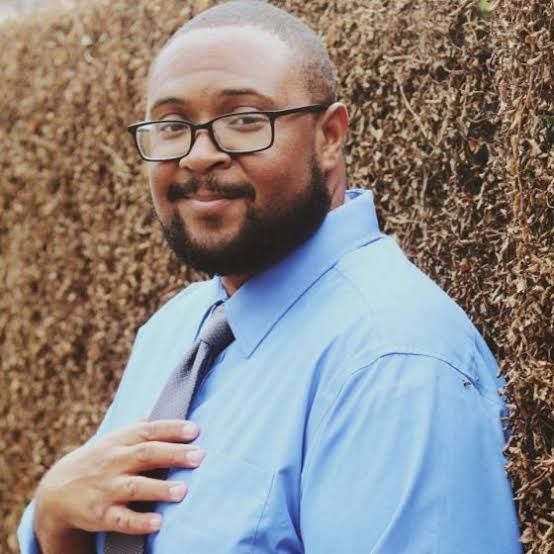
JLB: All right, my name is Jakoby L. Bryant, and I'm here with the distinguished visiting writer, Donald Quist. How are you doing today, Donald? I'm doing pretty well. I'm doing pretty good. It's a good morning. It's crisp, but it's bright. So it's nice. Spoken like a true writer. I love that. Um, okay. So just to get right into it, um, as a professor at Mizoo, what's something you wish more teachers or other professors who, you know, like teach students about writing, would teach their students when they ask for writing advice?
DQ: Um, I really like this question, and I try not to be prescriptive because I know everybody teaches differently, but I feel like there needs to be some baselines when it comes to like teaching creative writing. And one of them is, um, when a teacher steps into that room, they need to know that, like, whatever they're doing should be to the service of that student's unique voice. I want to see a lot of times happen, as, like, um, particularly, like, in grad school, this happens. , So, like, I just see teachers will, oftentimes, like, um, start talking like there's one capital G good writing. And so they're like, all writing looks like this. You must do this. This is how this works. Um, I think it's important for a teacher, especially in creative writing, to be open to the fact that, like, for every rule that we have in writing, we can find someone who's broken it effectively. So, like, you're not going to tell Tony Morrison, show don't tell. Like she has to take several pages to tell you something before she shows you. Right. So for every rule, you will find a breaker who does it effectively. So I think the teacher needs to be in service of each student's unique voice and what they want to accomplish with the work. And so, you can't be too prescriptive. You cannot say, " This is what good writing looks like. You have to be open. And also, my baseline too is like, You gotta want to do it. I've seen a few teachers who were teaching because, like, academia seems like the safe bet that allows them to, like, do the creator writing work or the research they want to do; they don't seem to want to teach. And that bothers me alot So… Yeah,
JLB:I think. Especially when it comes to, like, creative writing, like, professors, they have a particular style of writing that they like to write in, whether it's one or multiple. And so they, I feel like I can see, because I've been taking career in class for like 4 years. Yeah. Like, I started in high school and I could see, especially when I was in high school, how certain people that had really great pieces and really great stories, but like, because it wasn't tailored to like a specific way teacher would teach, they wouldn't help the student, whether they would help. Like, I would see upperclassmen in the class, like helping them, actually get in there where they need to go. You know what I'm saying? And I think that comes from breaking down like your own biases. Yes. 100%. As a teacher. And I think that's really important. I really like that perspective. that's crucial. Like, it's crucial. Like, I need to know what I love to read, what I love to write is not the end-all be-all.
DQ: So... I also am weird about grades. Like, I don't like grades. And I get it, like, we have to do it for accreditation and for metrics. But like, sometimes I feel icky. So in my creative running classes and in my literature classes too, like, you start at an A, um, and if you show up, if you do the work, like, so I agree on effort, I guess, like you showing up is what I'm like scoring not. How can I look at somebody's short story and be like, eh, this is a B? And especially when it's creative nonfiction, like somebody gives me this hugely intimate passage from their life. And then I say, C. Yeah, I can't do that. So, yeah. Okay. Boo grades.
JLB: Yeah, boooo grades. As a student. So, um, growing up from, growing up in America, coming from a Ghanaian background, what would you say that was like for you? Personally?
DQ: Oh. It was tricky. I would use the word tricky. So, uh, what I ended up noticing is I always felt like caught in between different social contexts. So, like, there is the... There is the pressure of being a black person in America, period. Um, and being African-American. Um, but then there is like another other thing that happens from being like an African-American. And so oftentimes I would give him like arguments with my father, because he would see like being black American different. So like in Africa... They're not black for lack of a better word. So like my father came here, he's like, why is everybody calling me this? And we don't call ourselves that. So then because of that, it made him hard, it would be hard for him to identify with like black power movements. Or like civil rights. So, like, when he was saying, like, young black men shot, oftentimes he'd piss me off being like, well, what do they do? Like, why didn't they just listen to the police? He, so there's a detachment. So that then detached me from him and my family. Oh, yeah. Um... But then, like... Other African-Americans were like, so what is it like in Ghana? Do you see lines and tigers walking around and stuff like that? So that, then distancing from them. Um, so like I feel like caught in some kind of middle all the time. Even in my home. And so that would be tricky. That became tough. But I do appreciate it because I think it made me better at like code switching. which has been useful. So like I can talk to a lot of different people, no matter where they're from. And like feel connected. I also think it's been nice to have like an international perspective. So my whole life, I've always been aware of places outside of America, so I don't feel so caught up. Um, I always know I can go somewhere else. I've had a passport. I guess my whole life so. I think that changes the way I look at things like I'm always like, oh, I can leave. But a lot of people don't have that privilege or even that. When you're in it, when you're born in it, and you're in it every day, and you don't see like alternatives. Then you think that's that's it. So yeah, it's been helpful. I guess.
JLB:Yeah, um, I think, and that's, that's like a, it's like, insane, like, when you actually get into nittygritty, because of things like that, for wars. You know what I'm saying? Like, like personally. Um, I never really understood it, but it wasn't until like I learned about my mom's side of the family. You know what I'm saying? Because, like, she grew up, like, she assimilated just like her father did. Where's Mom from? So she's from New Jersey. But she came down in Miami, but her family's from St. Kitt's. I see. So, like, they immigrated, like, and that's like both sides, like both sides of their family. Wow. And so, um, I, I, it wasn't really direct because my mom was definitely a very, like, she was conservative, but she was very for, like, civil rights, you know what I'm saying? But I could definitely tell the differences because, like, she used to say the, she said this thing. The ghetto isn't a place. It's a state of mind.
DQ: She is right.
JLB: And then I'm like I'm like, what does that mean? You know what I'm saying? And then I look into like the history of like my family and her family. And like, because I was like little. I didn't know what that meant.
DQ:Yeah, yeah, yeah, yeah. You know? Just dropping knowledge.
JLB:Yeah. And, and then I got into, into the perspective of like how many different, like states of being black, there are in America.
DQ: Yes.
JLB: and so, and then she was like, oh yeah, so we come from there, but your dad's family also comes from here. You know what I'm saying? He's African-American. You know what I'm saying? So like, but because I wasn't so close with my mom's side of the family, I was more close to my dad's. You know, I didn't really like think about what their experiences would be like. Because technically, my mom doesn't come from an African-American background. It comes from an Afro-Caribbean background. And so there's a whole other part of our stuff that I didn't know about. So imagine what it would be like for someone to come directly from like in like the African continent, you know what I'm saying? But not necessarily know, not just the distance, but the connection between those 2 forms of like experience. Um, So I think, especially having a global perspective here, because I feel like a lot of African Americans, like, sure, like there's a like a distinct difference in those experiences. But at the same time, they, like, people can really get caught up in the the hyper-Americanness of it.
DQ:100%.
JLB:And and that that in and of itself is a mold and arm of white supremacy. You know what I'm saying?
DQ:It is. It literally... Yeah, like in. And its just incredible that you say that. Because I think that perspective is not only needed, but very valued because the Diaspora Wars, they got stirred up again. pretty recently.
DQ:100% So, yeah, I think as an educator, especially in the creative writing space, like, just professions like that are like, you know, very needed, but like also needed to be expressed in ways that aren't just, you know, of Twitter post.
JLB:Absolutely. But sometimes Twitter posts can have that effect.
DQ: It can, it can. But, like, I'm I'm very interested in my teaching and my work. I'm very interested in the limitless possibilities of blackness. So, like, I'm glad you're pointing that out because there is, like, in the African-American community, like a type of American exceptionalism. Like this, like we get to define what black is everywhere. Yeah. And we can say, you are not like us. I actually think that the Kendrick Drake beef has a lot of other things going on underneath.
DQ:Um, when you say like, If Kendrick's like Drake is not performing blackness accurately, I'm like, what, what does that mean? And so yeah, the diaspora war is a real. The divides are real, and yet also, we're all now put under this tent pole of blackness. So like, how do we navigate this together and make room for these different perspectives and not be so... limiting. Like, what does a black person look like? How do does a black person think, like, what does that even mean, you know?
JLB:Yeah. Definitely, like, I listen to podcasts. That's not a great way to start a conversation. No, that's great. But I listened to one called The JAAM(Not a typo), but these kids, the head of the group who I've been following since he-I think he's like my age. He lives in Chicago where I think his brothers and cousins, they have a podcast. And another one called The Gritts and Eggs podcast with Deonte Kyle and Big Ice Cup Cat anf they’re out of Atlanta doing the same knowledge 25 plus years older. And they say this thing all the time. “Everybody gets to be black. Everybody.” You know what I'm saying? Like, everybody gets to be black.”
DQ:Yeah, like you don't get to decide who is and who isn’t withing blackness
JLB:Exactly. And I think the difference with the Kendrick and Drake beef, I think there's a bit more nuance in that conversation. Um, but particularly, because, like, I grew up with, like, blurred cousins. Yeah, yeah, for them, it was before the great shift. I lost it. It's true. I was getting my ass character. I was getting teased for like an anime and like, like in Star Trek and white shit. Everything was like shit. And it's like, come on. What's insane is that a lot of that white stuff has a root in a lot of other places that have nothing to, in the fact that those things, when you see like different, like black people experiencing those things, you know, it's like, none of those things are synonymous to whiteness. Exactly. You know what I'm saying? Yeah. I was like, what is, are we serious? Like, me personally?. If I'm in a fandom. yeah. I want to know where black people at. You know what I'm saying? Because they're there. You just got to find them and they're going to do it different. You know what I'm saying? And it's not to say that I wouldn't, like, you know, search for other people's own cultures. Yeah, like, I just know that, especially with things like, like tick music, country and rock. Both of those things are rooted in black American music. Exactly. But because it got co-opted, it's white stuff. And that's just one example.
DQ: Correct.
JLB:Um, but, Yeah, okay. This is we're only on question two. Okay, this is great. Okay, great, great. good. So, um, some of these questions are going to sound similar to the ones people asked yesterday. That's fine. But okay. So what ultimately tracked you to writing as an art form and eventually a career? And something you wanted to teach? Writing as an art forum and then a career, then teaching.
DQ:Okay. We're gonna go back. So, yeah, I said, I've wanted to do this since I was 5. The reason. Um, so my mother... My mother was complicated. She... She really like valued reading. And so there were always books in the house, like, always, like, uh... She was hyper weird making sure I was literate, and when I was five, she put me in front of a typewriter. I don't know why she did it. I can't figure out why she did it, but I liked the sound and so. I think there is something that is like. Initially, it was like a comfort. I like writing as a comfort. It's a means of connection. To myself, but also, I think ultimately, my mother. But then. I was also home alone a lot, so like my mom was going after degrees and she was an alcoholic and hoarder. And so even when she was home, I was, like, alone a lot. So I spent a lot of time alone. And then I was a blurred, so just before the great shift, so people didn't want to talk to me or hang out with me. So it's spent a lot of time alone. So those books, stories, they became like friends, they became ways for me to make sense of the world, ways of making me feel not alone. So then that became, okay, well. I want to do that for other people so that became like the goal so I started writing these stories like. I'm trying to send them out into the world. So for my career, I would say I started taking it seriously like serious seriously in 2010 I made like a commitment. I was like, I'm going to make this my focus. Since then, there have been books, there's been a bunch of things. And so, of course, I think that kind of led into the teaching because, like, I've always wanted to be a teacher. And I can't think of well if I'm going to be a teacher. What else would I want to do but teach stories? In fact, I think like. You know, respect to the sciences, but like, um, stories literally are the ways that, like, humans measure time and measure their history and measure. Their ancestry like it's the stories. I said this last night, I think of writing as like our best ancestral technology. So if there's a message I want to send to the future. I need to put in the story. Religion is stories. Myth is stories like there's a reason we're still talking about Shakespeare. Because. Sometimes I think about this. Give it 200 years. Stephen King will be Shakespeare that's weird. So, like, you'll look at whatever the most books that are around, that's what's gonna survive. And so that'll be like high art and literature. Yeah. It's just time. It's time and. How the story makes it to the future so like because of how many books he has and the ubiquitousness of them. He's he's up like I think it's gonna be and so it's weird to think about like everything you're doing now is living history. And so by writing it down, it's a means of preservation. It's a means to send it forward. So why would I want to teach my students how to do that? to be time travelers, to be able to send their stuff to the future. Right. Yeah, I think that's that's kind of why I do it. Like, I real, and even if people write and don't publish, I believe there is, I'm kind of woo woo about this. I believe in metaphysical stuff. And so, like, when you are writing and you're getting your story down, and you're feeling more at peace with yourself, I think you radiate that outwards. So even if you're not publishing it, you now feel more settled and better about yourself. And then in moving through your day, you're gonna be modeling that for people, not even knowing it.
JLB:Right. Um, So I just feel like writing is the key. I think people should journal. I think it's the best, you know, because it is the best. I've never, until you said it yesterday and just now, like, thought about like that. using something in the past as written that someone can understand as a message or mode to like communicate to the future. Because in other ways, that's exactly what's happening right now.
DQ:Yeah, exactly.
JLB:We are in this room, you and I together because of stuff written before. Yeah, and like, it wouldn't have happened that way, unless you wrote those things, unless it, like, and you also use the word alchemy yesterday. with like how like the story that you told, you know, um, essentially, like, can move somebody. Like, I don't, I haven't watched this anime fully, but I know that there's. full Metal Alchemist?
DQ: Yeah, yeah.
JLB:But like, I think either... Wait, I'm using the original. Okay, okay. So, like, when you're speaking about, like, I can mean something has to be something when you when you create something else, there has to be something of equal exchange loss. Oh, yeah. So like when you're trading stories, damn, that was good. Yeah. Like, yeah. I'm losing, I am losing stuff to coming. Yeah, but like, the thing that you lose is the, the, the, the pain that you hold onto. And then when you put it in the page, you know what I'm saying, and someone else reads that, it gives them an opportunity to unlock what they, you know what I'm saying?
DQ:Yeah, yeah. So this is a church.
JLB:Yeah. Absolutely. and I think, as a writer, like, like, even again, even if he's on publish it, it's like, when you get it out, you get it where it needs to be, you can look at it. You know, it's like you move different.
DQ:you know? It's true, man. Yeah, that's true. Yeah. I love that. I love the full Metal Alchemist tie in too. That's exactly it. Okay, so turning back to, um, actually, this half of this is going back when you were a kid. So like the 1st is, what is the best? Actually, I'll narrow this down.
JLB:Okay. So what's the best book you've read this year? And what was your favorite book you read as a kid?
DQ:Oh my god. Okay. So, I usually read, like, 100 something books a year. I'm trying to, actually, this year I'm supposed to cut that down. Yeah. Because I think I might be consuming too much. But favorite book this year, so far, has been the correspondence. by Virginia Mueller, I think. I think that's it. Virginia, Virginia something. Might be Evans. Anyway, this book is like a, It's a series of like letters. Um, and I didn't, I, what you need to know about me is I'm anti-authority, like, and I'm anti-popularity. So if something is too popular I won't mess with it. Because I think just, I'm just trying to be difficult. I'm just trying to. like, is that is that popular? Well, no, I don't. Yeah, I need to check that about myself, but this book blew up last year. And just kept getting all these positive reviews. I was like, it cannot be that good. Um, So I waited. So I picked it up this year and I read that thing twice. And it was amazing, yeah. So I highly recommend the, I cried at the end. Correspondence by Virginia, maybe Evans. Favorite book from a kid is still my favorite book, I think. I'm gonna do 2 because I was a child twice, I think. So my favorite book was, um, it's called Ender's Game. Oh, by Orces Scott Kard. It got turned into a movie. Harrison Ford, and Asia Butterfit, who I think was perfectly cast. Haley Steinfeld's in there too. But I love Hender's game. That book taught me empathy. It came in my life at the right time. I was 12. And it was assigned summer reading in my district. Um, and I was just floored like it, it taught me how to have compassion for people that you might not. How to have compassion for people that are difficult to love. So it taught me that. So that was hugely important. And then, After that, it would be Don Quixote. Okay. Yeah, so Don Quixote, I've encountered as a teen in my 20s, in my 30s, and I'm rereading it in my 40s. I just taught it to my students last year. And so that's probably my favorite.
DQ:Okay. So those three, those three, four, yeah. Yeah. I didn't finish it, but over winter break last year, I started reading that, Enter's game. Oh, yeah, yeah. Yeah, it was very, like, it's very different, but, like, it was, like, for those first, I think I started reading it and put it down after, like, I think it was maybe, like, a couple days, maybe a week or something. I'm like, wow, I see why people like this. I love it. My, my, it's hard for me because the creator, The creator's become a bigot. So he's like a... That's another thing I heard. Yeah, like, and so I feel, I just don't under, sometimes I, and the same thing with J.K. Rowling. I look at what they produced, and then I hear the stuff coming out of their mouth, and I was like, did you miss the point of your own stuff? Like, you were preaching love and like, acceptance, and then you lost, you lost your own plot. I don't know. Yeah, exactly. It's it's depressing. So now I'm wondering, like, If you get too much money, do you just go crazy?
JLB:So, some people say that J.K. Rowling had mold rage because there was a video. A video where she was on a call with someone. I think it was like a Zoom call for like work or something. And you could see in her back corner, there was mold on her wall. Something's not right.
DQ:Something's not right. It doesn't make any sense. I was like, why are you, why are you acting this way? Yeah, you made Dumbledore gay. You can't make a bigger leap to the trans community. I know what's going on with you, girl.
JLB:Exactly. Like, what's up? What is going on? You know, they just dropped the trailer for the Harry Potter show yesterday.
DQ:Oh my god. Okay. So I'm gonna go watch that. Yeah. Hashtag Black Snape.
JLB:Yes. Oh my gosh, his aura is crazy.
DQ:He looks insane. I am excited. really good. That's going to be the only reason why I watch. I'm here for this one. not here for JK. I'm here for black snape.
JLB:Yeah, yeah. Um, so this is a bit of a, okay, so I remember you were saying yesterday you wanted to play with um, form, like when you're writing in for other ghosts. Um, and I read a story from that it was, forgive me if I'm butchering. It was Lolita, Rather Palms microwave.
DQ:Yep.
JLB:Um, for a big portion. I think it was all of it. It was like, like all questions. But like toward the end, I'm like, wait, where's microwave? Like, I'm trying to figure out like where the microwave bar came in. But like, but this isn't necessarily asking about that, but I'm like, what, I guess, like, what inspired like that form, like, or way you wrote that story? Like, did you have that many questions or like?
DQ:That story is one of my favorite stories I've ever written. Like when I, that was one of those times I finished and I was like, I did it. So that story is told entirely in questions, and there's only one declarative statement, and it's at the very end. Um, and so, Um, yeah, the microwave makes her time travel, and these aren't she uses it, it sends her into a past that she cannot control. Um, and so... How did that come about? I was I really think writers should read a lot. So I was reading an author named Donald Bartholomet, and he has a short story called Cern, the Barlic, concerning the Bodyguard. And I love that story, and it's told mostly in question. And I was like, bet, what if I could do it? longer. What if I could get through the whole story? And nothing but questions. And use that as a way of interrogating, like, what writing even is. So, as that story's going, the leader rot upon. The author is like questioning. Say hi. How they're writing. And so, yeah, the idea is that the story is about Lilita and time travel, but it's also not the author who's putting Lilita there. And the author is questioning himself, unsure of how this should be written, or if this is even working. But yeah, I like I like playing with forms and like, you'll see throughout the book. Um, I try a bunch of different things. Like, can I write a story and an email? Can I make a story entirely out of Google search engine results? Um, so, the writer Terrence Hayes says, I use form to push myself into, like, new and wild, like, ideas. And I think I do the same thing. Um, Yeah, so check out Terrence's. Okay. He has this one poem that's entirely in adverbs.
DQ:Yeah.
JLB:Okay. Yeah. It sucks in the beginning when you're trying to figure this out, but like learning how to break the rules intentionally, it's like, because I love animation, animation. Like, I don't do it. Like, before I was a writer, I started out drawing. Like, because I, like, my mom worked a lot and my dad, like, lived in a different city. So it was typically like me, my sister, and my aunt like before she passed away. And so we would draw a lot. Like, I would draw a lot. Me and my sister would draw a lot. And my aunt, she had just got a computer at the time. She was like, hey, you need to write some stuff. And I'm like, what do you mean? It's like, you talk, you come here, talk to me about these characters. You know what I'm saying? And you haven't really let me down. So we come in there like just for like, it was all summer one time. I just come here. I draw something, and then we would just write everything out.
I love that.
JLB:Because she read the Dune books. She read the Harry Potter books She forced me to sit down. And you're like, you're gonna watch this movie called Dune.
DQ:You saw old school dune.
JLB: the thing about that is like, I love the fact that we can tell something is like out of, it's, it's, rules are broken intentionally. Yeah, yeah. And you really have to learn like the foundations of like what the rules are and get good at doing that. And then when you break the rules, like, they did that on purpose. It was intentional. You know, because you can always tell when it's not.
DQ:Yes. And reading that, I never felt like, okay, did he just like have a punctuation issue? Probably something like that. I'm like, no, like, this was like, no, you did this on purpose. I think that is crucial. Like, this kind of speaks to one of your previous questions, but, like, in the classroom, I think it's very important to talk about intention. So, like, I think one of the best things a teacher can do in a creative writing classroom for a young person is to teach them the rules and then give them, like, the tools they need to break with intention. So like, how do I make something new? Well, the only way to make something new usually is to, like, break a convention, but you need to know what the convention is before you break it. Right. Okay, let's see. So... Okay, I remember from this question.
JLB:Okay. What's something, like, before you even write, before you even jog down a note? Like, what's something you do to kind of keep your mind, like, not sharp, but like, I guess, like, neuroplasticity area? So you don't, like, say stagnant into things that you make.
DQ:Yeah, yeah. Um, so to not stay stagnant. I think there's, and I kind of mentioned this last night. I think it's crucial for an artist to be looking at art from other disciplines. Um, so, like, one of my shortcuts is, like, looking at visual art. So, like, let me look at a painter, let me look at, um, let me look at a movie or a film or a documentary that might unlock something. Music all the time. Music always. How can, like, something I'm listening to help me unlocks, like, a sentence? Um, So, like, staying attuned to other art forms will only help you deepen your own. Where with Bailey, it's research, research helps too. I do that from time to time. But usually I need a thing, a topic to be able to go into research.
Right.
And then talking to a lot of people. Like, so this is gonna help. Like, um, like in conversations with folks, with other writers, with other creatives. People think writing is a solitary thing and it's not, you know. It's really not. So having like conversation partners, I think is crucial.
JLB: Okay. Okay. Um, yeah, I think that's very important. You know, because I feel like when people think of art, they think of, like, typically just, like, one form of art. Um, and like a lot of things inspire a lot of other things, you know? Um, I think there's like 2 pretty good examples of like, you got to show like invincible. We have a show like Arcane. right? even though invincible doesnt have have the biggest budget, you know what I'm saying? Um, I feel like the thing that carries the show was writing.
DQ:Yeah,
JLB: but the way that it moves, people out, people can tell that it's trying to be a live action show and not taking too many inspirations from other things. Yeah, yeah. But then you have Arcane, which has the bigger budget, but the budget isn't the issue, is the people behind it, because they do have people involved in live action. But you can tell which one has not only inspiration from other art forms.
DQ:Yeah, yeah, yeah.
JLB:but has inspiration from the art that is live action television, the art that is animation, and the art that is music.
Absolutely.
JLB:And so I think as a writer, you know, or any artist in any capacity, like they all, they're doing the same thing, but they're speaking different languages. So you almost have to become like multilingual in your expression.
DQ:That's exactly it. You have to become multilingual in your expression. You have to draw from all these different contexts.
JLB:Absolutely. Yeah. Also thinking about Robert Kirkman as a creator. Like Invincible and Walking Dead is kind of wild. Like, um... You might be like you have, like, one, like, one big mainstream idea for him to do that twice. Twice through comics is rare. And again in TV twice. It's like, all right, Robert. Like, maybe you'll be the Shakespeare.
JLB: If he does it 3 times, then, he might be. I personally think that, I do, I really love Invincible. Like, because it came out 5 years ago. when they 1st when they 1st dropped, I just I just watched so many videos about everything. Now I know what it feels like to be like a diehard manga to anime fans. Because I have to wait. for something to get animated. But like, the animation is definitely not in the same caliber, but like, still, it's just very interesting. Yeah.
JLB:So, you know, you live in Thailand for a really long time, you know, travel to many East Asian countries. You know, even though in a restaurant in Thailand. What's an experience that you had that stuck out to you and some that you carried with you? Like since you lived in Thailand and came back.
DQ:Hmm. Thailand... Thailand was the 1st time I became aware of how living in America might be affecting my perception of myself. Baldwin talks about this when he moved to Paris. Um, but he was like, “wow, I went to Paris. I realized like even the everyday language of English, like in the American context, changed the way I think of myself. Like, how in the Western world”, like, light is associated with goodness and dark is associated with badness. Um, that's a Western concept. You go east and you have yin and yang being in peace and harmony. One is not negative. One is not positive. That was huge. That was very important. Also interesting to be in a place with universal healthcare.
JLB:Oh, I didn't even know I had that.
DQ:Oh, yeah. So I was, like, I'd have a coffee. Let me go to the doctor. I was going to the dentist for fun. I was like, no, just give my tape blamed. Because why not? Yeah, because I can. Yeah, and so that, that was, that was interesting. Seeing going, going abroad, going Asia, I really saw how much, like, things don't have to be. the way that they are. The excuse oftentimes is like, well, you know, America is a big country. It's a larger population. But that's not the reason why some of these things have to be the way that they are. So that was that was important to see over and over again. Also, though, in many ways, it did make me appreciate some aspects of, like, uh, the Western world, like in Thailand, Um, Because of Buddhism. Because of Buddhism, when people are not doing well, like the homeless or those who are mentally ill, in a Buddhist country and a Buddhist population, you can say, that's happening to them because of previous karma. in the past life. So, I would see oftentimes a level of like indifference or cruelty towards, it's probably the reason why I started working with refugees. I was like, you can't treat people this way. This is not good. And so, like, because of the Buddhist religion, they were able to explain away treatment of the Bohemian people. Um, treatment of people, um, who had different circumstances where it's like, well, if they had behaved better in that previous life, they wouldn't have had these circumstances now. That was hard. That was hard to see. Like in Thailand, there wasn't a, uh, there were no ambulances. Ambulances are like a private, a private thing. like, and they are, um, There's a group of people that volunteer to like pick up bodies and like help people, um, but they're funded by small donations and their, um, volunteer-run. So it's like folks doing it to get better, Karma. You like, so the young people are going to be on these teams for like a year to get karma points for the future. And so because of that, there's not a system that, like, effectively takes care of people in emergency. That was hard. So then they'd be like, well, America's got that. Like, good job on that. So I think it just helped with deepening my perspective and broadening it so that, like, I was able to have, like, a little bit more cognitive distance and, like, recognize that nothing is all bad, nothing is all ever all good. Um, so that's like one of the biggest things, I think it helped with, like, looking at people more as people in their flaws and their glory. and realizing like, okay, so that's a car across cultures that might be universal. We are all fucked up and glorious, I guess.
JLB:Yeah, like even just from watching a show called The Pitt and like learning about... the history of like why the EMS system just even exists. Or like learning about, you know, Henry Ford and why our whole country designed around the automobile.
DQ:Exactly. And not trains.
JLB:You know what I mean?
DQ:We should have high speed transmission. There's no reason we don't. taking the train up here from Missouri. Like, it's messed up. It's true enough stuff. And one of the things, I didn't own a car in Thailand. I didn't know a car. There was no place on that in that country. I could not get to by public transit. There's no reason it’s not be like this here.
JLB:Okay, okay. So who'd you say has the most impact on you in the spaces you're in? like currently? And the academic or the writing spaces?
DQ:Both. Okay. And the writing spaces, I mentioned them last night or one of them. His name is Caesar Ira. That's C-E-S-A-R. 2nd name, A-I-R-A, and he's the Argentine writer, one of my favorite living writers. He's definitely helps me like uh, when I think about what I want from a writing career, that's what I'm going for. And the other person is Percival Everett. who wrote James and he's done like 40 books and he just stays at it, producing. I just want to be productive. I just want to make things and like, um, have that type of relationship what am I writing? In teaching, um, It's probably all my undergraduate professors from my, I came from a college about this size Coker University in South Carolina. Um, and it's those teachers. It's, uh, Dr. Rhonda Knight and Dr. Graham Wood and, um, Dr., well, he's not a doctor. His name is Richard Puffer. So those three. Anytime I'm in a classroom, still to this day, I am thinking about them. Y
JLB: Next with that, this is the 10th question. What have you learned about yourself since you become a professor?
DQ: What have I learned about myself? Hmm. What about that? I, this might be personal. I guess initially I learned I wanted to be a... I've known I wanted to be a dad for a long time. Um, I could pause recording. No, thank you. Yeah, um, but I, yeah, I knew I wanted to be a dad, um, for a long time, but since becoming a professor in teaching, um, I'm not sure I will have. I have a stepson, but I'm not sure like I will have a kid. But what I've learned is like, teaching can be a means of parenting. in a way that I could have never conceived. And it's been beautiful. Like, I get to be in the lives of young people and watch them grow and help shape who they're gonna be. To get the parent every day. Um, so it's been nice.
JLB:Okay. I think that's that's amazing. A lot of people, essentially start families because they think they need to.
DQ:Yeah, yeah, yeah.
JLB:But never, like, stop the question if that's something they want.
JLB:Exactly. Exactly. And so, yeah, that's an incredible experience. Like, like, perspective, you know what I mean? Because like, that's that's why I see a lot. Like, I feel like with teachers, it's always, it's one or the other. It's like they're, they're, they're, they're the greatest person to exist ever. or they're just like... Yeah, yeah, you know? It's like one of the two. You know, um, and so the fact that you think about your students in that way is very heartwarming. Yeah, yeah. Okay, so this is the past 10 questions.
JLB:This is the 11th question. Okay. It was great. So past 10, you know, it's an amazing project. You know, you've been at it for a very long time now, you know. So, you know, You build an incredible community with that. And so do you think, you know, uh, this project has made you more focused on your present or your future?
DQ:Oh crap. Jakoby dropping bombs. Okay. Damn.
Mm. Holy crap. That's a therapy question. It is... I think this project has only, well, not only. It is often helped me think about my future, even at times when I didn't see a future coming. So it's forced me to think about the future, but when working on it, it demands I stay in the present. So it's like, I get an email from Bailey or one of our editors, and they're like, " This needs to be up by this date now. So then it's like, okay, I gotta think now. I got to think about the promotion now. It grounds me in the present, although it's a whole project about like, okay, folks will find this in the future. Yeah. So, yeah, I think it doesn't mean, think about the future. It does.
JLB: So that concludes our interview.
JLB: Okay, sweet. Sure. Um, yeah, this is this is so fun.
DQ: Yeah, it was fun!